
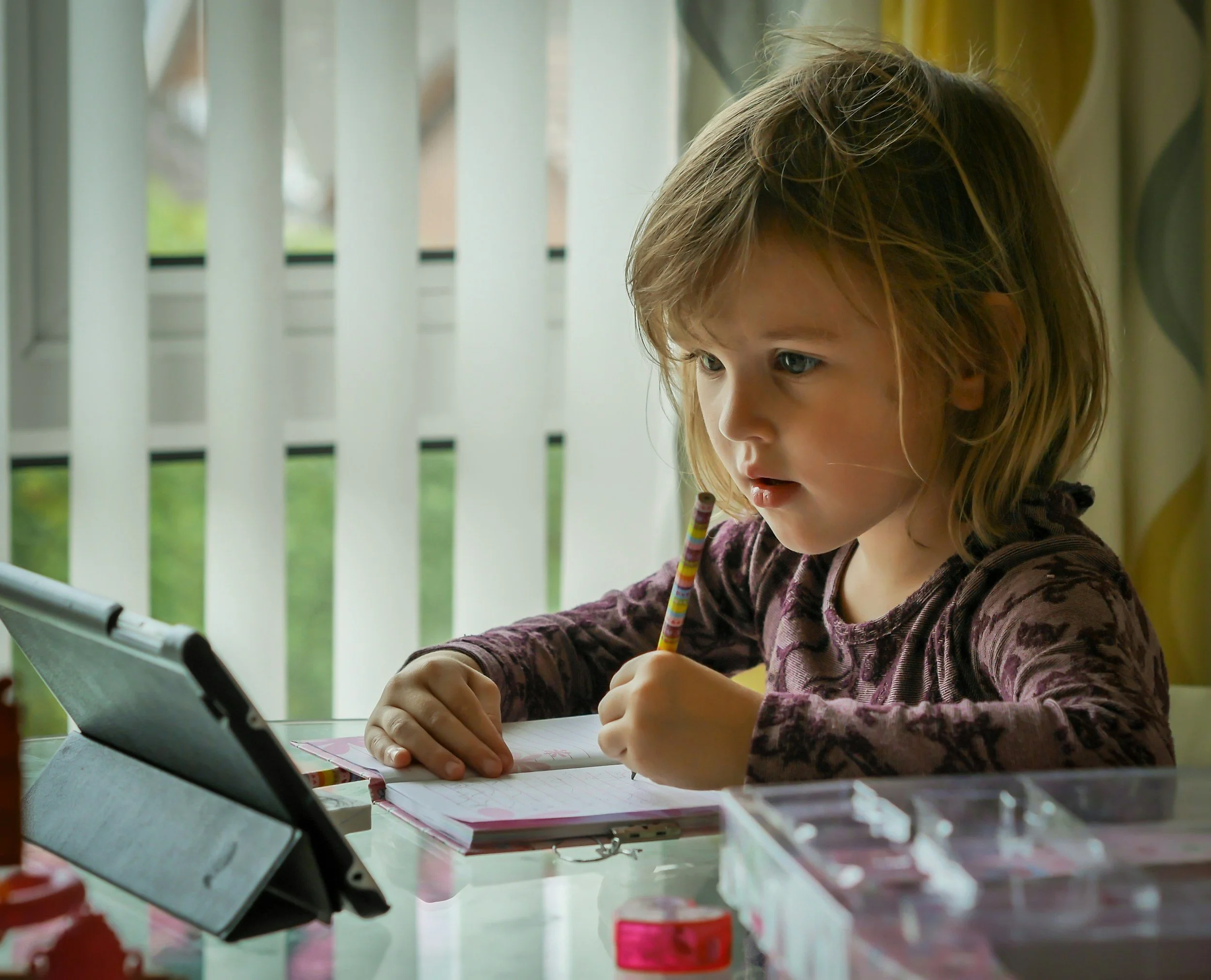
Play is a child’s main occupation. Play is how children learn, grow, problem solve, connect and develop important skills that they’ll use throughout their lives. As paediatric therapists, we know how crucial play is for a child’s development, and it’s something we implement every day in therapy. Play isn’t just about entertainment, it serves several important developmental purposes in a child’s life. These include:
1. Developing motor skills
Play helps children develop both fine motor skills (like holding a pencil or using scissors) and gross motor skills (like running, jumping, and climbing). Activities like building with blocks, drawing, climbing or playing sports help children improve their hand-eye coordination, balance, and overall body control. These motor skills are foundational for tasks such as writing, dressing, and self-care.
2. Developing cognitive skills
Through play, children learn and develop problem-solving skills, critical thinking skills and learn about cause and effect. For example, when children play with puzzles or engage in imaginative play, they strengthen their thinking skills. Pretend play, can look like children engaging in a pretend game of “mums and dads” or “shops” or “teachers and students”. These pretend play game can help children develop their creativity and problem-solving skills.
3. Developing social and emotional skills
When children play with others, they develop essential social skills such as sharing, turn-taking, and cooperation. Play gives children a chance to practice communication, conflict resolution, and understanding other people’s perspectives, skills that will help them build relationships as they grow. Additionally, play provides children with a safe outlet for expressing their emotions. For example, a child might act out frustration, by being pretending to be a ‘frustrated teacher’ because their student did not do their homework. These roles play scenes can help children practice processing their feelings and build emotional resilience.
4. Encouraging independence and confidence
Through play, children gain a sense of independence by making their own decisions and achieving goals. For example, when a child successfully completes a puzzle or learns how to ride a bike, they gain confidence in their abilities. Play encourages a child’s sense of autonomy and helps them develop the ability to persist through challenges.
How our paediatric therapists at Move and Play support play
One of the primary roles of a paediatric therapist is to support children to engage in targeted meaningful play which will help them develop specific skills and to achieve specific goals. Some ways you might see our therapists helping children through play include:
1. Creating adapted play opportunities
Some children may have physical, sensory, or developmental challenges that make it difficult for them to engage in typical play activities. Your child’s therapist might adapt these activities by adapting the play environments or providing tools that make play more accessible for the child.
2. Facilitating social play
For children who experience difficulties with social interactions, your child’s therapist can guide structured play activities that promote social skills. For example, these activities encourage turn-taking, sharing, and reciprocal communication. By participating in these structured play sessions, children learn how to interact with their peers in a safe and supportive environment.
3. Encouraging sensory play
Some children have heightened or reduced sensory sensitivities that affect how they experience the world. For example, occupational therapists use sensory play (such as playing with water, sand, rice, or playdough) to help children become more comfortable with different textures, sounds, and sensations. Sensory play can help children build sensory regulation skills, which are important for daily activities.
4. Supporting emotional expression
When children struggle with expressing their emotions, they can often show their feelings through play. For example, a child might use dolls or action figures to act out a difficult situation they’ve experienced. Your child’s therapist may use this technique to help your child to process emotions, gain insight into their feelings, and develop emotional regulation strategies.
How you can encourage play at home
As a parent or caregiver, you play (haha, no pun intended!) a vital role in supporting your child’s development through play. Here are some simple ways to encourage meaningful play at home:
Offer a variety of play options: Provide your child with different types of play; physical play (like jumping on a trampoline), creative play (like painting or drawing), and pretend play (like playing house or dress-up). This variety helps them develop a wide range of skills.
Play together: Spend time playing with your child. Whether it’s playing a game, building with blocks, or having a pretend tea party, your involvement can teach valuable social skills and deepen your bond.
Create a safe play space: Set up an environment where your child feels comfortable exploring and trying new things. Make sure the space is safe, inviting, and filled with a variety of toys or materials that encourage exploration.
Play is a critical part of a child’s development. It helps them build fine and gross motor skills, cognitive, social, and emotional skills that lay the foundation for every-day life. As paediatric therapists, we see firsthand the power of play in supporting children’s growth, and we work to ensure that all children have the opportunity to engage in meaningful play, no matter their challenges.