
Innovative Therapy Tools & Technologies: How Families Can Benefit:
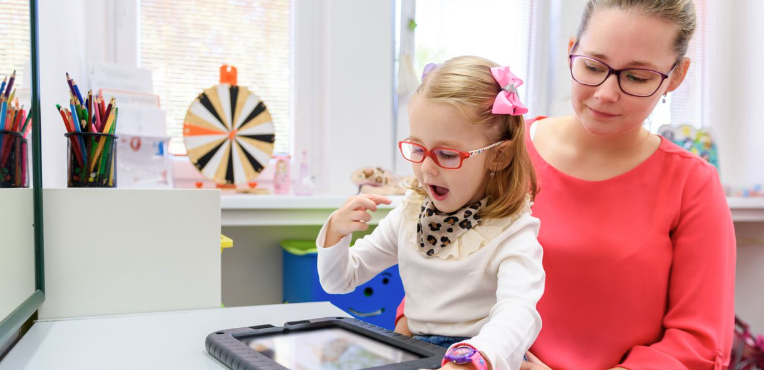
Childhood and adolescence are full of growth, learning and new experiences, but this can sometimes feel overwhelming. The good news is that paediatric physiotherapy and occupational therapy are becoming more innovative, with new tools and technology that make therapy more engaging, effective and tailored to each child.
Did you know about these assistive technologies?
1. Adaptive Apps and Software
There are now tailored apps and software designed specifically for children with developmental disorders. These tools support areas such as communication, social skills, sensory integration and more.
How families benefit:
• Therapists can customise the tools to match your child’s individual needs
• Your child can practice skills at home in a motivating and structured way
• Progress can be tracked and adjusted over time
2. Communication Aids (AAC Technology)
Communication is a major focus for many children in OT. Modern AAC technology has become more advanced and portable, making it easier for children to express themselves independently.
Examples include:
• Speech-generating devices
• AAC apps for tablets/iPads
• Eye-gaze communication systems
How families benefit:
• Increased independence and confidence
• More opportunities to participate socially at home, school and in the community
• Improved access to learning and relationships
3. Sensory Feedback Devices
Innovative devices such as vibrating cushions, textured surfaces and pressure-sensitive mats help children regulate sensory experiences and feel more comfortable engaging in daily activities.
How families benefit:
• Supports sensory exploration in a safe and controlled way
• Helps children build tolerance to sensory input
• Improves participation in everyday tasks
4. Virtual Reality (VR) and Augmented Reality (AR)
VR and AR are becoming a game-changer in paediatric OT. These immersive technologies create a simulated environment where children can practice real-life activities in a safe and controlled setting.
For example:
• Children with sensory processing difficulties can gradually be exposed to sensory stimuli
• Children can practice social and daily living skills in a fun and engaging way.
How families benefit:
• Builds confidence in real-world situations
• Supports gradual exposure to challenging environments
• Makes therapy feel like play, not work
5. Interactive Gaming Platforms
Gamification has become a major part of modern OT. Interactive games are designed to target developmental goals like fine and gross motor skills, hand-eye coordination and cognitive skills.
Examples include:
• Motion-based games that support movement and balance
• Tablet-based games for motor planning and attention
• Wearable sensor games like LusioMATE, which turns movement into interactive play
How families benefit:
• Increased motivation and participation
• Improved practice at home and in clinic
• Real-time feedback and progress tracking
6. Adaptive Technology for Access
Technology has also improved access to learning and communication for children with physical or cognitive challenges.
Examples include:
• Adaptive computer software
• Touchscreen access and alternative mouse/keyboards
• Switch-controlled devices for learning and play
How families benefit:
• Improves access to schoolwork and learning tools
• Supports participation in technology-based activities
• Builds independence in education and play
What This Means for Families
Innovative therapy tools and technologies are not just “new gadgets”, they’re tools that make therapy more meaningful and effective. They help children:
• build independence
• increase confidence
• improve participation at school and in the community
• practice skills at home
• stay motivated and engaged
As OTs and physiotherapists, we work with families to choose the right tools for each child’s unique goals and needs. Technology is a powerful addition to therapy, but it’s always used in a way that supports real-life outcomes.