
Turn everyday moments into language learning opportunities
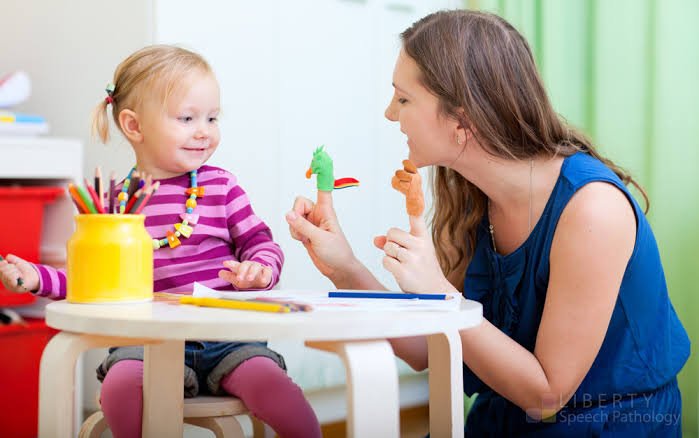
As a paediatric speechie, one of the most important things I want parents to know is this: children don’t just learn to talk in therapy sessions or structured “teaching time.” They learn language all day long, during ordinary, everyday moments with you.
This is hopefully reassuring to know especially in this modern era of parenting that requires so much of you already, because it means you don’t need extra time or perfect lessons for your child to be learning and growing.
Some of the best language learning happens in the middle of real life: breakfast, bath time, the car ride, or a trip to the shop.
Children learn through repetition and interaction
Children need to hear the same words many times, in many situations, before they start using them on their own.
Think of language learning like building a path in the brain. Each time your child hears a word and connects it to something meaningful, that path gets stronger. Repetition helps make the path clear and easy to travel.
But repetition alone isn’t enough. Children also need interaction. That means back-and-forth communication your child says, points, looks, or makes a sound, and you respond. Then they respond back again in their own way. This “serve and return” is what really builds communication skills.
Everyday moments are full of language opportunities
You don’t need to create extra teaching time. Instead, use what you are already doing. The key is to slow down just a little and talk about what is happening in the moment.
Here are some simple examples:
Mealtime
Instead of quickly serving food, you can talk about it:
“That’s a crunchy carrot.”
“You’re drinking water.”
“More pasta? Yum!”
Even if your child isn’t speaking yet, they are listening and learning.
Bath time
Bath time is full of fun words:
“Splash!”
“Wash your arms.”
“Dry hands”.
Repetition here is great. Doing the same routine each night helps children predict and learn the words.
Shopping
At the shops, you can name what you see:
“Bananas. Yellow bananas.”
“We need bread.”
“Look, a trolley!”
You don’t need long explanations. Short, clear words are best.
Play time
Play is one of the richest language-learning moments:
If your child is playing with cars: “Go car!” “Go up!”
With blocks: “Stack.” “Fall down!”
With dolls: “Baby sleep.” “Baby eat.”
Follow your child’s lead and talk about what they are interested in.
Getting dressed
Even routines like dressing are full of language:
“Shirt on.”
“Socks on feet.”
“Big jumper.”
Hot TIP: You don’t need to “test” your child - Avoid questions
A helpful tip: try not to quiz your child with questions like “What’s this?” all the time. Instead, model the words naturally. For example, instead of asking “What colour is this?” you might say, “That’s a red ball.”
This takes the pressure off your child and helps them learn by hearing language in a natural way.
Remember: Small moments add up
You might feel like these small conversations don’t matter much, but they really do. When you talk throughout the day, you are giving your child hundreds of little language lessons without even realising it.
It doesn’t have to be perfect. Just connected, repeated, and real.
A final thought
You are your child’s most important communication partner. The everyday things you already do together are more powerful than you might think.
Talk, repeat, pause, and wait. Give your child time to take in what they hear. Over time, those small everyday moments become strong foundations for speech, language, and confidence.